Cold Immersion Therapy: What the Research Actually Says
Cold water immersion has been practiced across cultures for millennia — from the Roman frigidarium to the Japanese misogi ritual to the Scandinavian tradition of rolling in snow after a sauna. Modern science is now providing a detailed physiological account of what actually happens when the body is exposed to cold water.
The Norepinephrine Response
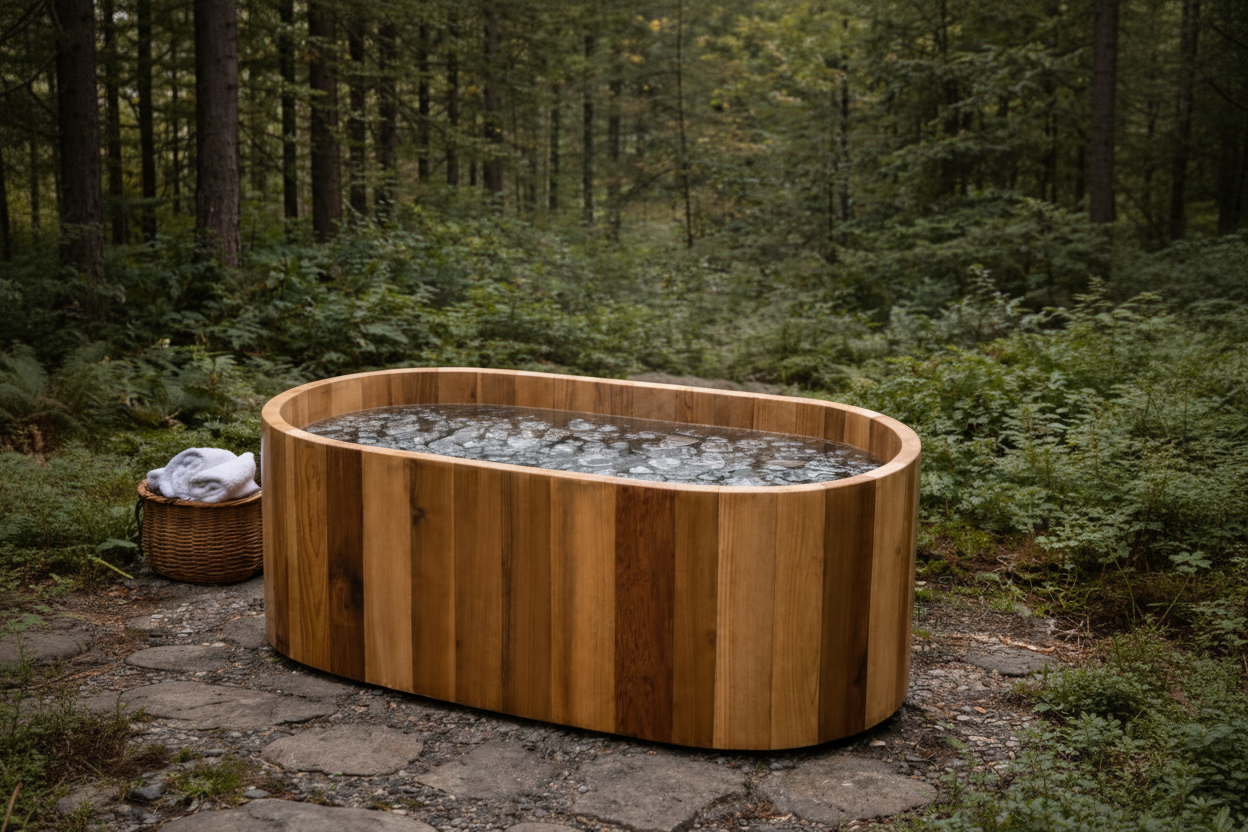
Cold water immersion triggers a rapid and dramatic increase in norepinephrine — a neurotransmitter and hormone involved in focus, attention, and mood regulation. Studies have documented increases of 200–300% following a 3-minute cold plunge at 14°C (57°F). This surge is thought to underlie the acute mood-enhancing and focus-sharpening effects that many cold plunge practitioners report.
Inflammation and Recovery
Cold exposure constricts blood vessels and reduces metabolic activity in tissues, which can limit the inflammatory response following intense exercise. This is the principle behind the ice baths used by professional athletes. However, emerging research suggests that timing matters: cold immediately post-exercise may blunt some beneficial adaptations, while cold used for recovery on rest days appears unambiguously beneficial.
Metabolic Effects
Regular cold exposure activates brown adipose tissue (BAT) — a metabolically active fat that generates heat by burning calories. Studies have shown that cold acclimation increases BAT activity and improves insulin sensitivity. While cold plunging alone is not a weight loss intervention, it appears to have meaningful metabolic benefits as part of a broader health practice.
The Hormetic Principle
Cold exposure is a hormetic stressor — a mild stress that, when applied in appropriate doses, triggers adaptive responses that make the body more resilient. The key is dose: too little produces no adaptation, too much produces harm. A 2–5 minute cold plunge at 10–15°C (50–59°F) appears to be an effective dose for most healthy adults.