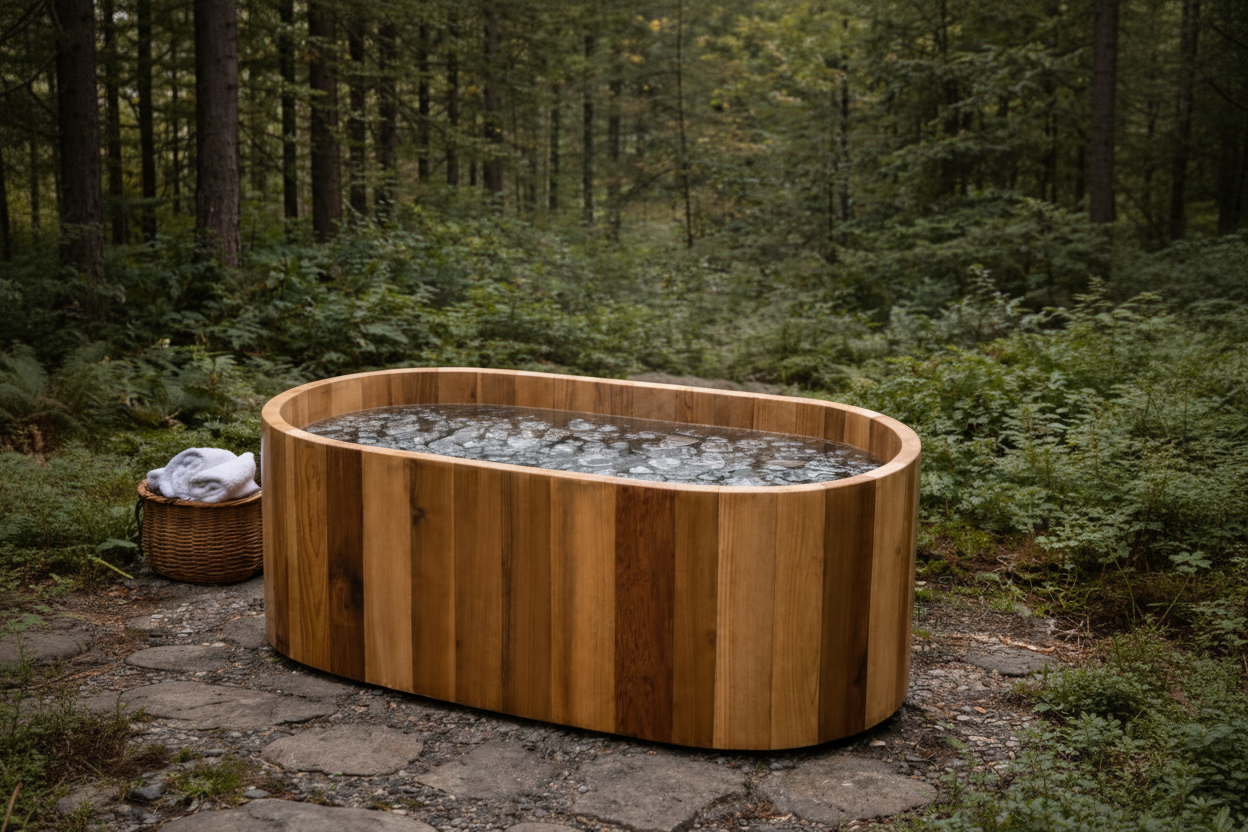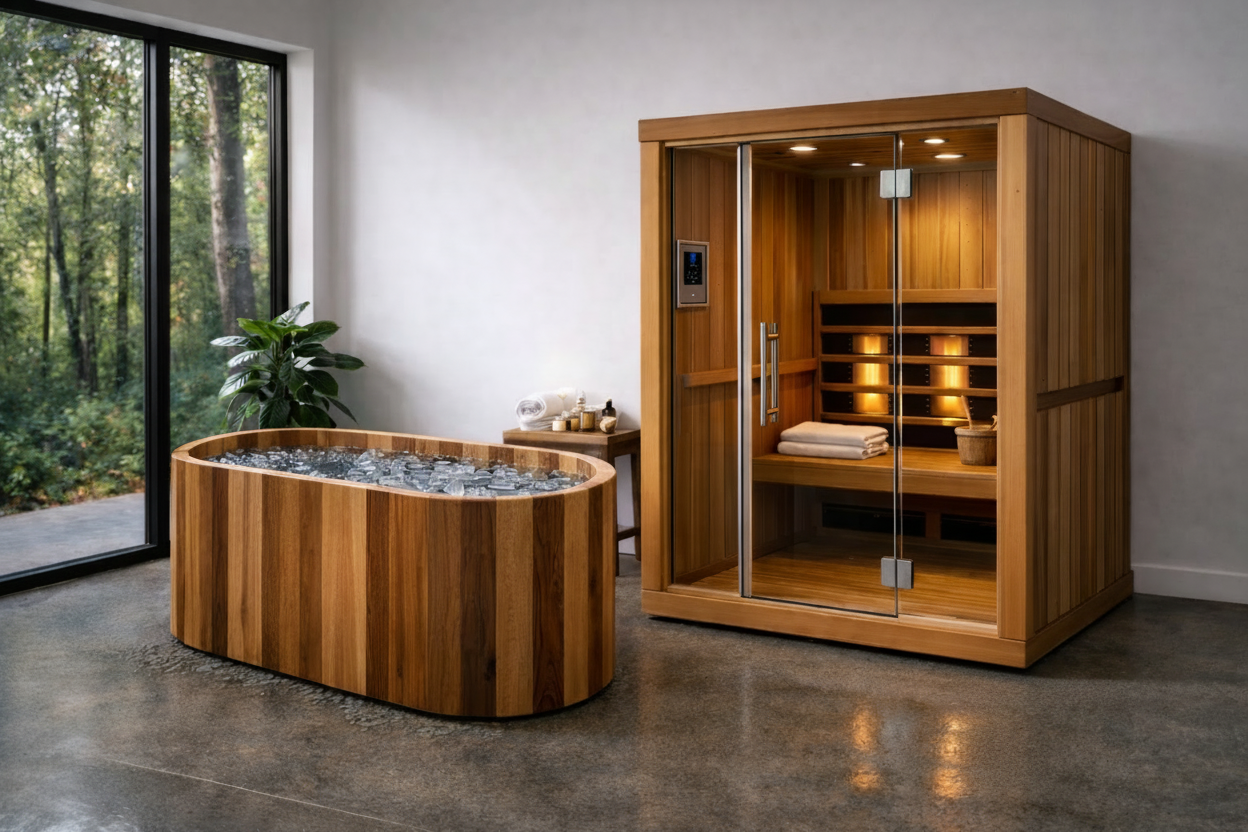
Contrast Therapy: The Ancient Practice Behind Modern Recovery
Contrast therapy — the deliberate alternation between heat and cold — is one of the oldest and most widely practiced recovery modalities in human history. From the Roman thermae to the Finnish sauna-lake tradition to the Japanese sento, cultures around the world have independently discovered that moving between heat and cold produces benefits that neither alone can replicate.
The Vascular Pump Effect
Heat causes vasodilation — blood vessels expand and blood flow to the periphery increases. Cold causes vasoconstriction — blood vessels contract and blood is directed to the core. Alternating between the two creates a rhythmic pumping effect in the vascular system, sometimes called the 'vascular pump.' This enhanced circulation is thought to accelerate the removal of metabolic waste products and the delivery of nutrients to tissues.
The Optimal Protocol
Most research and practitioner experience suggests a ratio of 3:1 heat to cold — for example, 15 minutes in the sauna followed by 5 minutes in the cold plunge. Repeating this cycle 2–3 times per session appears to maximize the vascular pump effect. The session should always end with cold to promote alertness and the norepinephrine response.
Psychological Benefits
The deliberate discomfort of cold immersion, followed by the profound warmth of the sauna, creates a powerful emotional arc. Many practitioners describe contrast therapy as a form of active meditation — a practice that builds mental resilience, improves stress tolerance, and creates a deep sense of accomplishment. These psychological benefits may be as significant as the physiological ones.
Integration into Daily Life
The most effective contrast therapy practitioners treat it as a non-negotiable part of their daily or weekly routine — not a special occasion. Having a dedicated home installation removes every barrier to consistency. The ritual becomes effortless when the environment supports it, and the benefits compound over months and years of regular practice.