Article: Infrared vs. Traditional Sauna: Which Is Right for Your Home?
Infrared vs. Traditional Sauna: Which Is Right for Your Home?
Choosing a home sauna is a significant decision — one that will shape your daily routine and your property for years to come. The good news is that there is no universally 'right' answer. The right sauna is the one that fits your space, your lifestyle, and your specific wellness goals. This guide walks through every meaningful variable.
Outdoor vs. Indoor
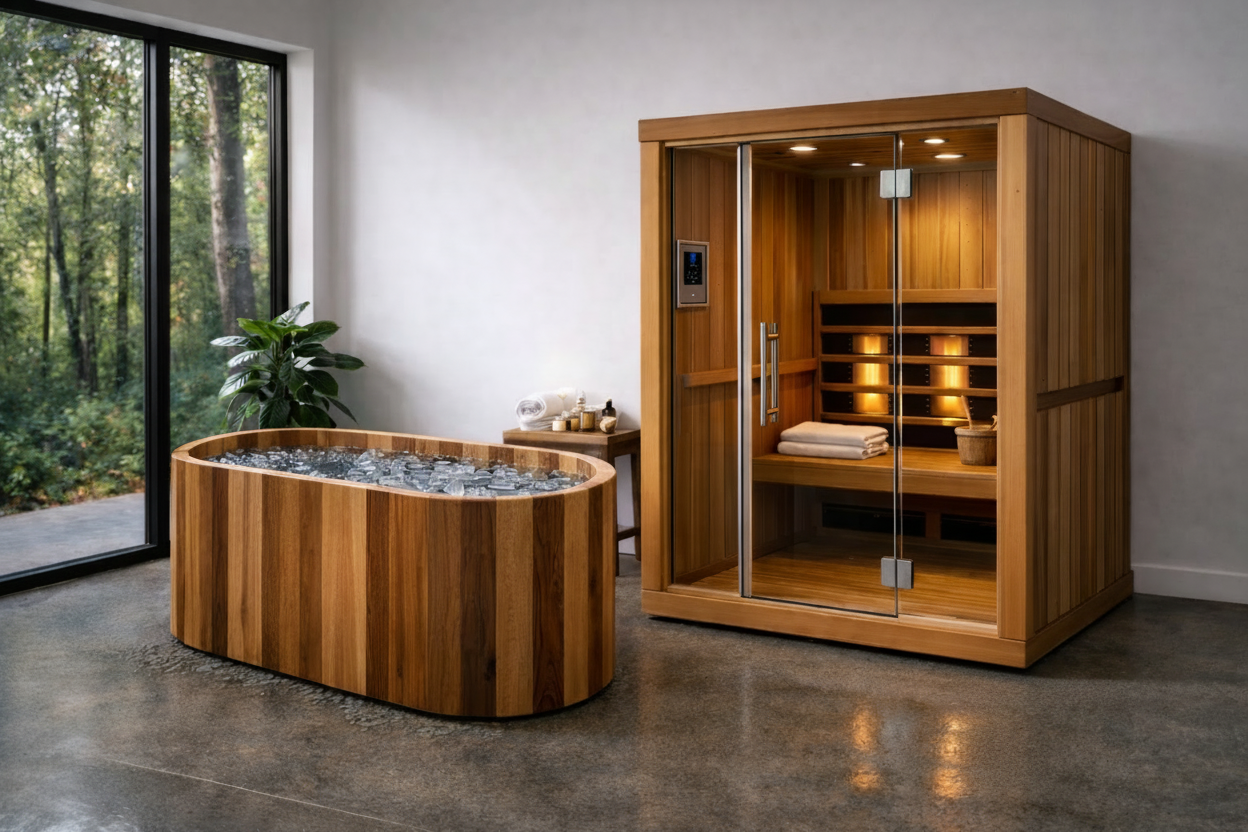
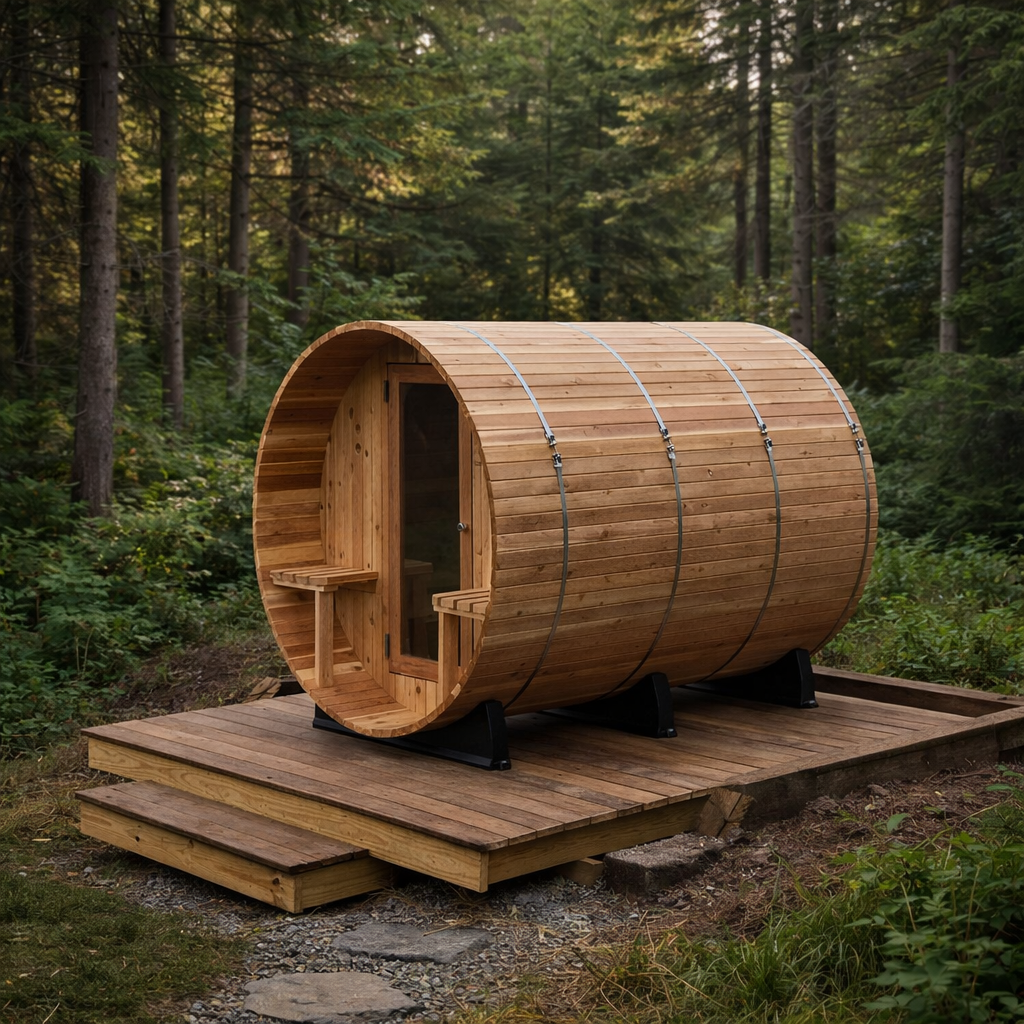
Outdoor saunas — typically barrel or cabin designs — offer the full Nordic experience: stepping from the heat into the cold air, the connection to nature, and the architectural presence in your garden or property. They require outdoor space and some weather protection, but they are generally easier to install and do not require building permits in most jurisdictions. Indoor infrared saunas are more discreet, require no outdoor space, and can be placed in a spare room, basement, or even a large bathroom. They offer year-round comfort regardless of weather.
Traditional Finnish vs. Infrared
Traditional Finnish saunas heat the air to 80–100°C (176–212°F) using a wood-burning or electric stove. The high temperature and the ritual of löyly — pouring water on the stones to create steam — are central to the experience. Infrared saunas operate at lower temperatures (50–65°C / 122–149°F) and heat the body directly rather than the air. Many users find infrared more tolerable, particularly those who are new to sauna use or who prefer a gentler experience. Both modalities have strong evidence bases.
Size and Capacity
For a single user or couple, a 2-person sauna is typically sufficient and more energy-efficient. For families or those who want to share the experience with guests, a 4–6 person sauna provides more flexibility. Barrel saunas are available in diameters from 5 to 7 feet; cabin saunas range from compact 1-person units to large 6-person rooms. Consider not just current usage but how you might use the space in 5–10 years.
Wood Species
Canadian Western Red Cedar is the gold standard for outdoor saunas — naturally resistant to moisture, insects, and decay, with a beautiful grain and a distinctive, pleasant aroma. Nordic Spruce and Finnish Aspen are excellent choices for indoor saunas, offering a lighter color and a milder scent. Hemlock is a popular and cost-effective alternative to cedar, with good thermal properties and a clean aesthetic. Avoid pressure-treated or chemically processed woods.
Heating Systems
Electric heaters are the most practical choice for most homeowners — easy to install, reliable, and controllable via digital panels or smartphone apps. Wood-burning stoves offer an authentic experience and are ideal for off-grid properties, but require more maintenance and attention. Infrared panels are the most energy-efficient option and heat up quickly (15–20 minutes vs. 30–45 minutes for traditional). For outdoor barrel saunas, we recommend a minimum of 6kW for a 2-person unit and 8–9kW for a 4–6 person unit.